An FMCG manufacturing diagnostic
From inconsistent hygiene
checks to a reliable
start-of-work process.
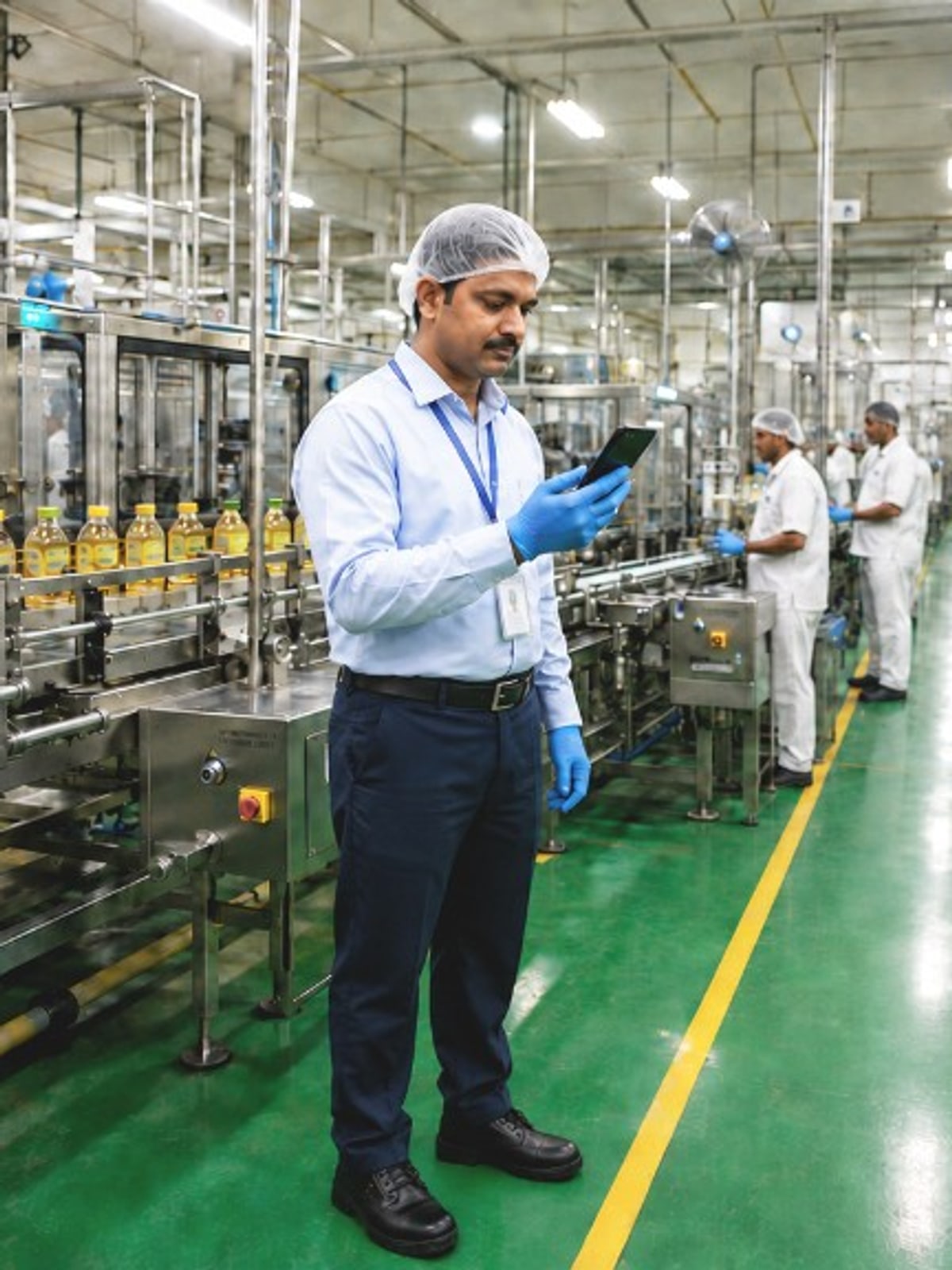
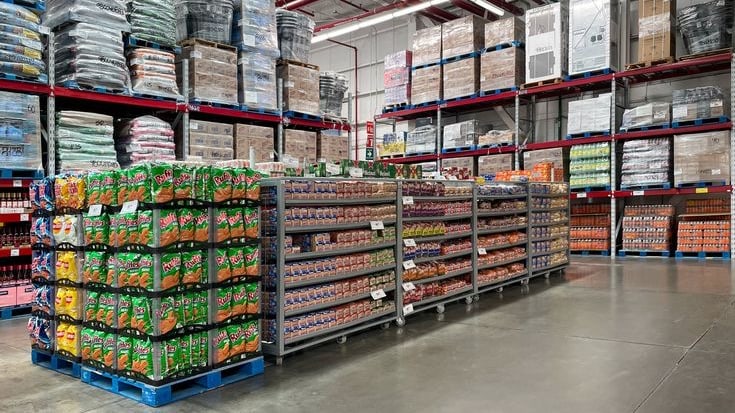
An FMCG company in the UAE distributes products, manufactures in-house, and handles third-party orders. Their production team must follow strict hygiene and safety requirements before work begins.
Hygiene standards were defined — caps, trimmed nails, body cleanliness — but not followed systematically. The head office sits elsewhere with no visibility. The manufacturing manager is accountable, yet there was no consistent way to verify compliance.
Every shift
Hygiene verified before work begins
Built-in
Start-of-work gate for production
Live
Visibility for head office oversight
Situation
Hygiene requirements existed — but no system enforced them.
The client's challenge
The company had clear hygiene requirements for its production team. Caps had to be worn. Nails had to be trimmed. Body cleanliness had to be maintained. On paper, the standard was defined.
In practice, compliance was inconsistent. Checks happened occasionally, often when someone remembered to ask. The manufacturing manager was responsible for hygiene compliance, but there was no structured way to verify that every employee followed the steps before starting work.
Because the head office is located elsewhere, leadership had no reliable visibility into whether hygiene standards were being followed on the manufacturing floor.
Why it mattered
Hygiene cannot depend on occasional checks. The head office needed visibility. The manufacturing manager needed a consistent way to verify compliance. Employees needed clear steps every time they started work.
When we looked at the operation, what we understood was that the problem was not employee discipline alone. There was a lack of a proper system.
The real problem was often not discipline. It was the absence of a system that made the standard part of how work begins.
Solution
Verify hygiene before production. Start work only after.
Our approach
We built a system for recording and verifying hygiene checks as part of how work begins — not as an occasional audit.
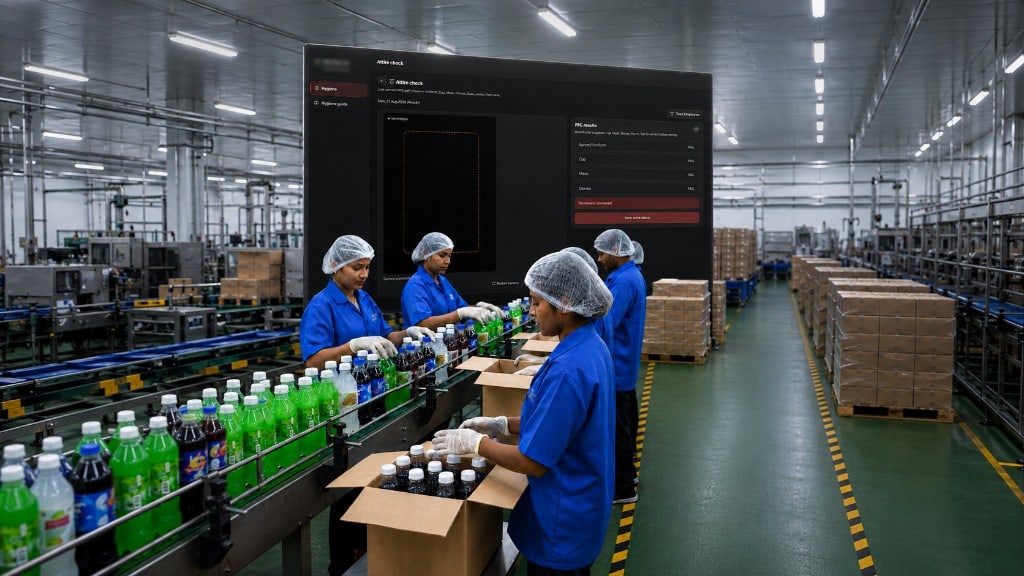
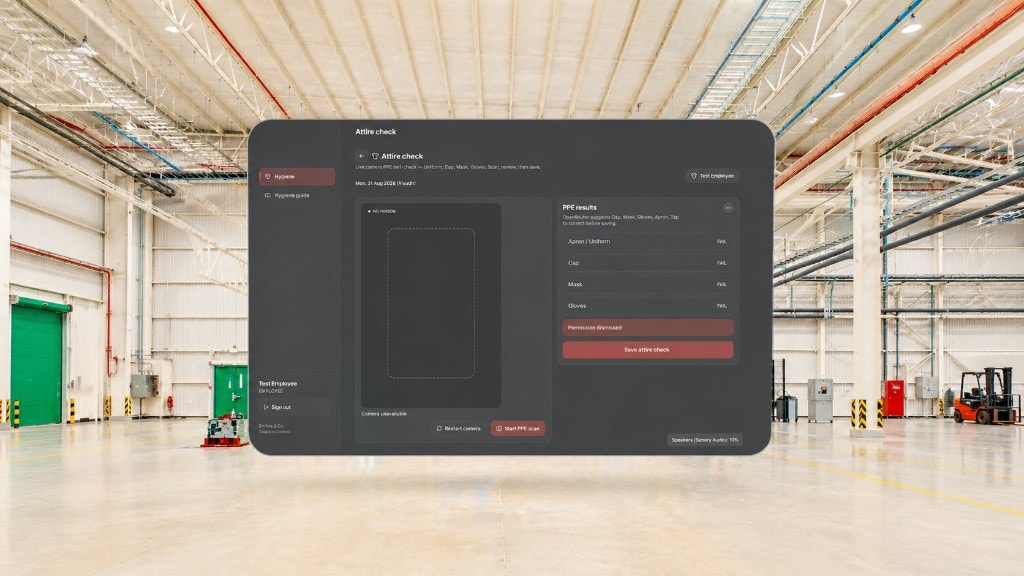
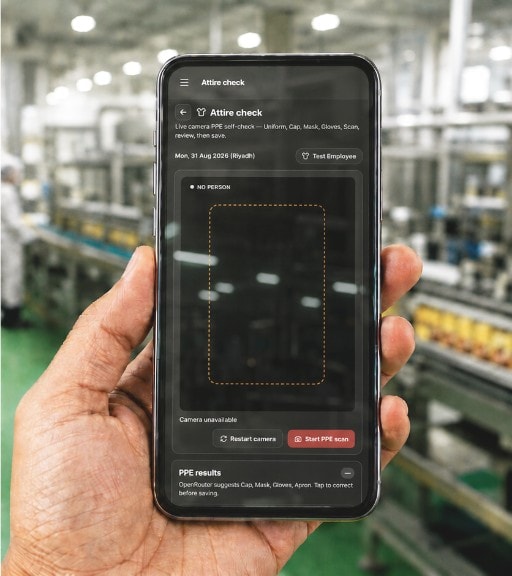
The manufacturing manager uploads completed hygiene checks manually. The system creates shifts automatically. Employees complete the required hygiene steps and camera verification under manager supervision before production starts.
How it works
- Shift creation — the system creates shifts automatically so every work session has a defined start.
- Hygiene steps — employees complete required checks before production begins.
- Camera verification — checks are recorded under manager supervision.
- Start-of-work gate — work only begins after verified hygiene steps are complete.
The standard becomes operational because it is built into the start-of-work process — not left to memory or discipline alone.
What changed
Production now starts only after verified hygiene steps are complete. New employees follow an established workflow from day one instead of relying on repeated verbal instructions.
The manufacturing manager has a structured way to supervise compliance. Head office has better visibility into whether hygiene standards are being followed — without needing to be on the floor.
Results
Compliance became repeatable and visible.
The new operating rhythm
Work starts only after verified hygiene steps. The manager has a structured supervision process. Head office can see whether standards are being followed — without being on the manufacturing floor.
New employees no longer depend on someone remembering to explain the steps. The workflow is established from day one.
Measured outcomes
- Hygiene checks Verification is now part of the start-of-work process — not occasional reminders
- Head office visibility Leadership has better visibility into manufacturing compliance
- Manager accountability The manufacturing manager has a structured way to supervise compliance
- New employees They follow an established workflow from day one
- Employee compliance Hygiene steps are completed every time work begins
Closing insight
The company did not have a people problem disguised as a hygiene problem. It had hygiene standards with no system to make them part of how work begins.
When the same operational gap survives without a structured process, the first assumption should not always be that employees lack discipline.
The fix was not more reminders. It was a proper system.
Emilda & Co. works with founder-led businesses to find what is actually breaking before deciding what to build. From Chaos to Control.
Get started