A fuel retail diagnostic
How we resolved the Visibility Gaps across a Fuel Retail Operation
A station were moving through separate manual handovers before reaching the owner.
We traced where the information slowed down, where operational issues disappeared from view & what had to change for the business to become visible in near real time.
100%
Daily reconciliation
0
Fuel dry-out events
15%
Tank alert threshold
Situation
The business was running. The information wasn't.
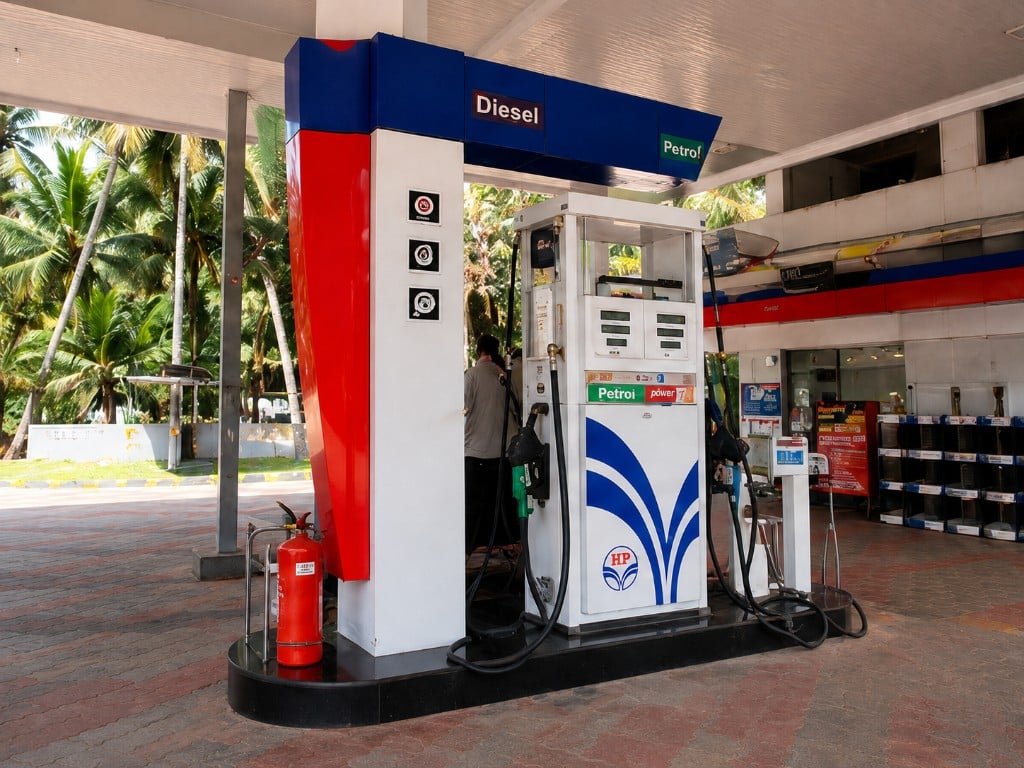
Here is how the station worked when we arrived. The bunk manager filled a paper sheet at the end of the day. The accountant drove to the station every three days to collect it. When the owner asked for the current P&L, the answer was always the same: "Sir, we have to collect the data — we need more time." Even last week's numbers were a project.
If you own a business you don't sit inside every day, you already recognise this. The reporting isn't missing. It's just always slightly behind you. Three days was the best case. That was the fastest the truth could travel from the pumps to him, and only if he chased it.
The issue was that information arrived after the moment when it was useful.
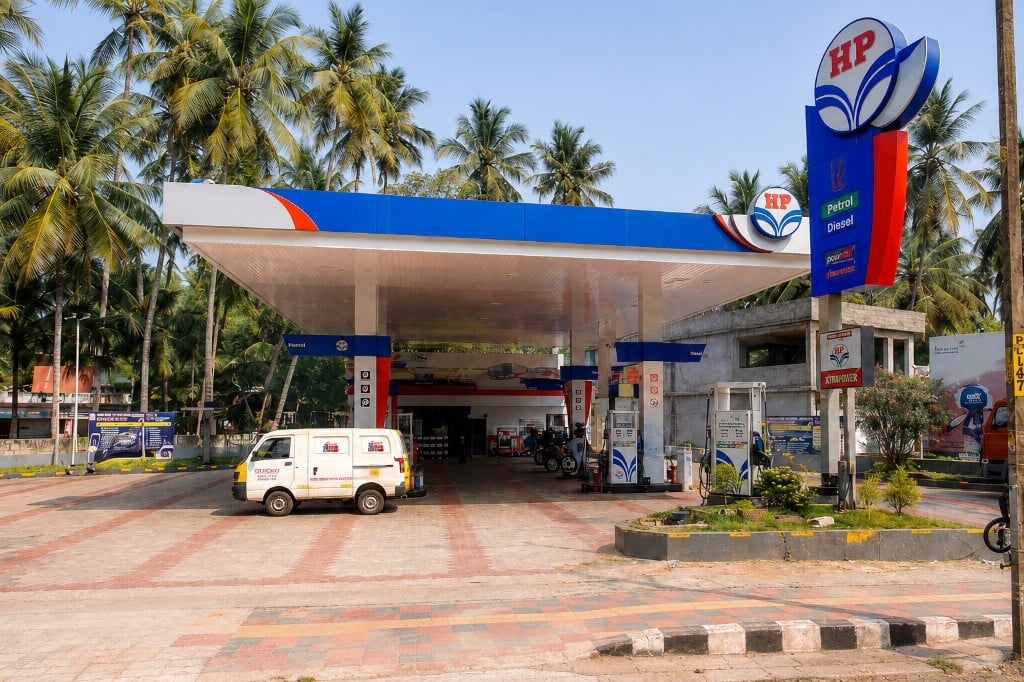
In the diagnostic session, we have discovered that one of the stations had become inactive. A refill request had remained unnoticed for weeks.
The station had gone quiet, while the owner remained unaware. That changed the nature of the problem. This wasn't simply a reporting inconvenience anymore.
Sales existed, Settlements existed, Cash existed, Credit existed, Stock existed & Attendance existed.
But it was trapped inside a chain:
Hand → Paper → Vehicle → Accountant → System → Owner
This was not a process problem, a people problem, or a systems problem in the usual sense. It was a Layer 1 – Visibility problem, almost purely. And Layer 1 problems have a habit of being misdiagnosed as everything else.
The delay in knowing the P&L, the refill status and worker availability cost lakhs. The inactive station bled lakhs every month. The owner did not know. He assumed the station was running at a profit. He assumed the workers were present. When fuel prices rose and the business slipped into a loss, nothing told him.
Blindness is rarely missing data. It is data moving slower than the decisions that depend on it.

The natural next question is whether that is fixable, or whether it's simply the cost of owning a business he couldn't stand inside every day.
Solution
Four outcomes before we designed anything.
Our Objective
We set four outcomes before we designed anything:
- Give an absent owner sight of his own business.
- Kill the three-day delay between the pumps and the books.
- Stop the tanks from being watched by memory.
- Take the manual load off the people carrying it.
A feature existing and a task happening are two different things. Most software projects confuse them.
Results
What it looks like now
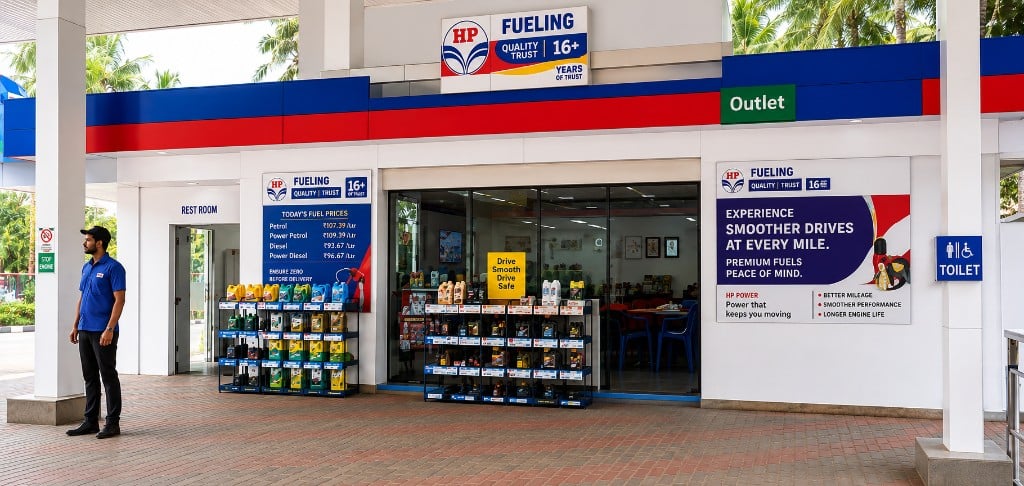
MS & HSD sales auto-populate from the pump system. The manager adds POS settlements, cash, credit, oil & expenses, then submits. No handwriting. No sheet. No drive.
Each evening, the previous day's summary, revenue by fuel type, revenue by payment method, is posted automatically to the accounts group.
Fuel alerts fire the moment stock runs low, before even someone notices.
The accountant pulls the complete daily sheet from his own laptop.
The owner can see how the bunk is performing, what inventory decisions are due, and who is on each shift, on any given day.
Measured outcomes
- Fuel dry-out events Reduced from previous occurrences to zero
- Daily reconciliation 100% across fuel, inventory & transactions
- Reconciliation time 3 days → 3 minutes
- Owner visibility Lag between a transaction & the owner seeing it, eliminated
- Proactive reordering Refills previously started at 5% tank level. Alerts now trigger at 15%
- Inventory & credit 100% visibility across inventory & credit transactions
Late data doesn't just slow you down. It removes your ability to manage at all while leaving you with the feeling that you are managing. That feeling is the expensive part.
Most owners in this position don't ask for visibility. They ask for a better report, a stricter manager, or a faster accountant. All three are attempts to compensate for something that should not need compensating.
If you have to ask what yesterday looked like, you don't have visibility. You have a phone call.
If you have a similar problem to solve, you can reach us at the link below.
Get started