An interior company diagnostic
One owned platform for the complete customer journey
The interior design company was running its business across a Zoho stack, Google Drive, personal inboxes, spreadsheets and multiple WhatsApp groups.
Quotes, documents, payments, follow-ups and project conversations were spread across different tools. The team could complete the work — but finding the full context of a customer required manual coordination.
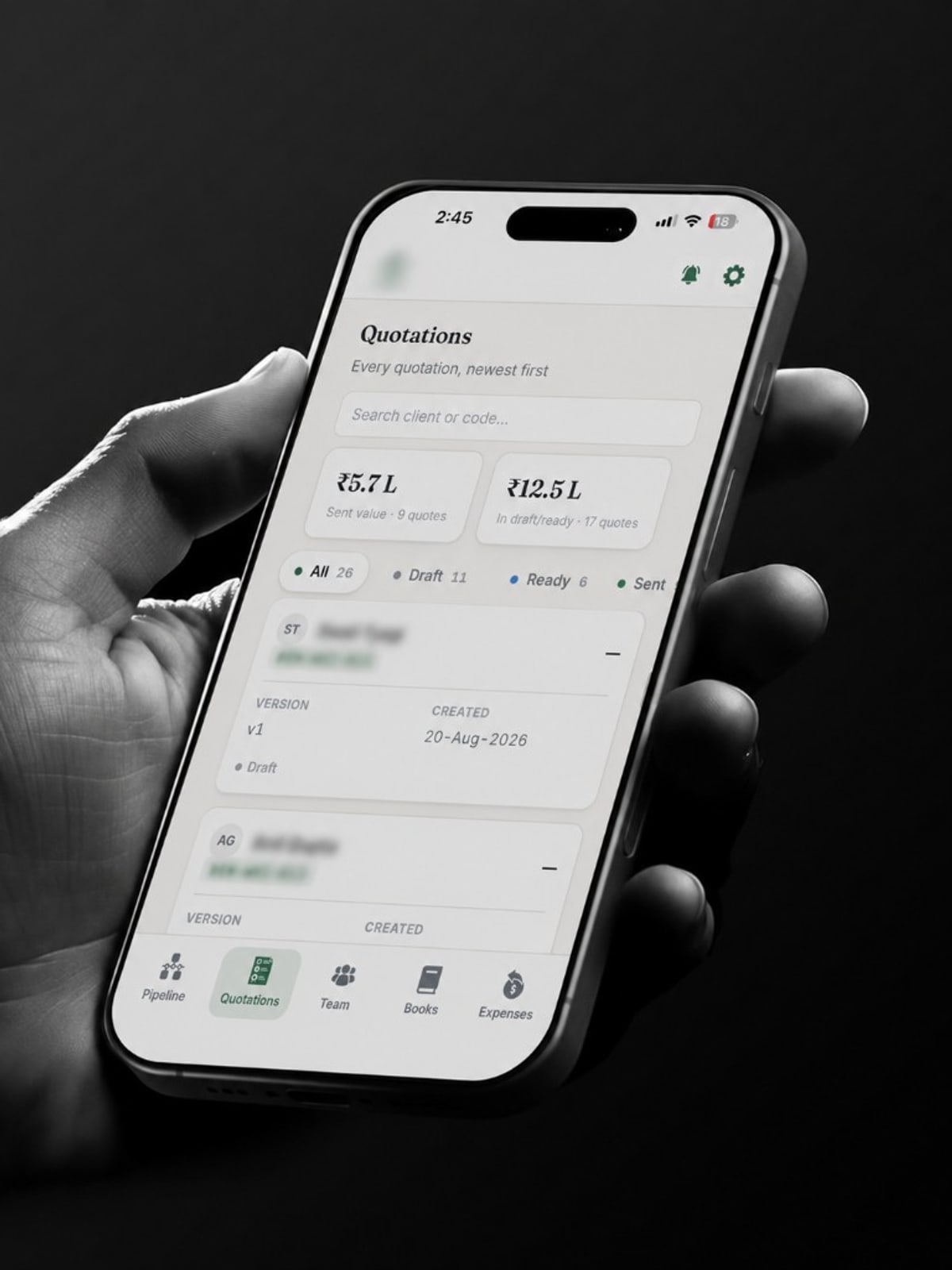
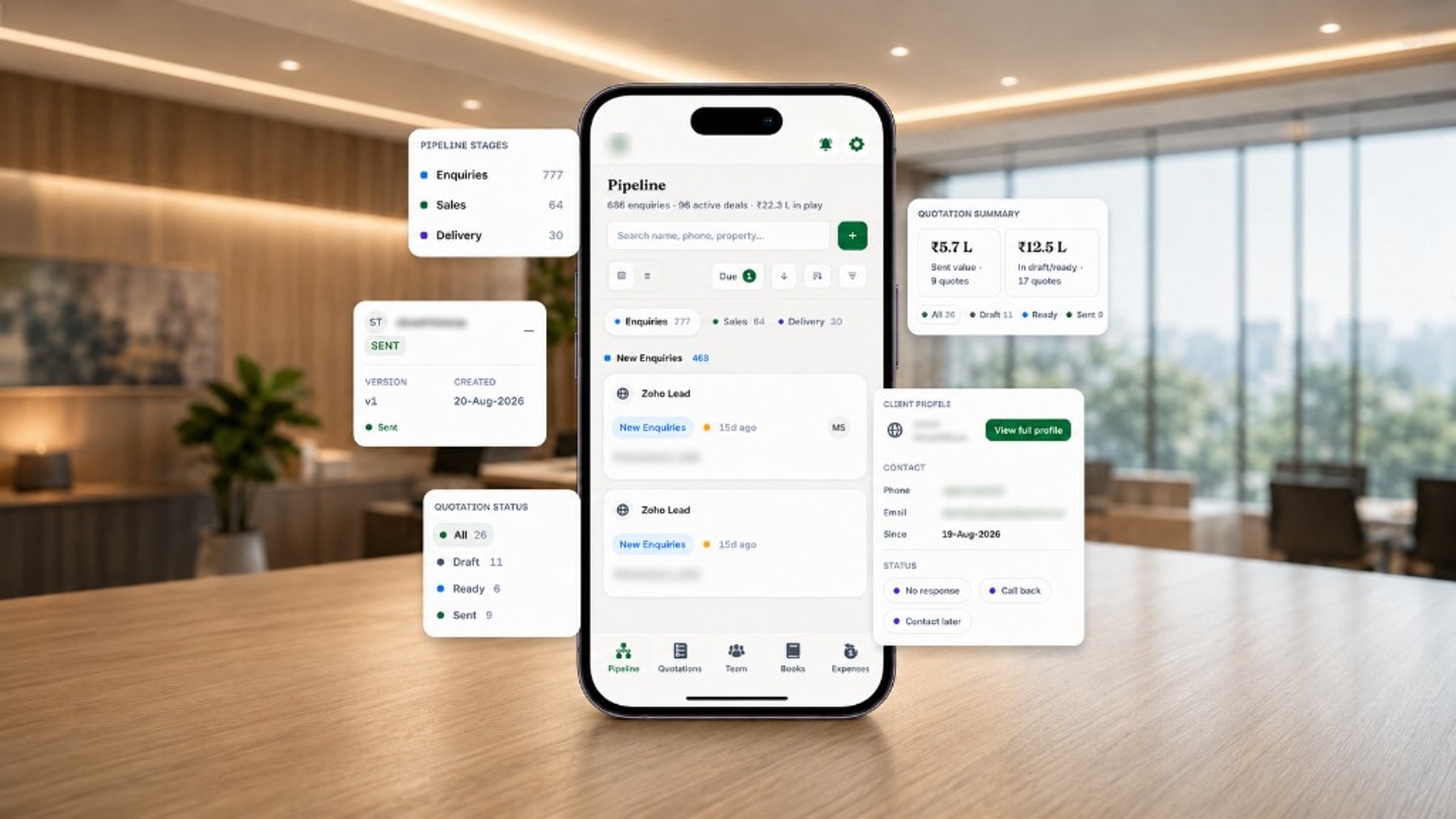
1
Owned platform for the full lifecycle
Enquiry → handover
Connected on a single customer view
Owned
Change stages, roles & templates in-house
Situation
The work moved forward. The information didn't.
Sales enquiries entered from different sources. Quotations had to be prepared around each customer's space, material choices and project requirements. The same quotation could then move through further revisions before being approved and sent.
After a customer signed up, the work continued through design, production, procurement, installation, staged payments and handover. But the information connected to that customer did not move through one continuous system.
The existing Zoho setup lacked the flexibility the company needed. More importantly, the original integrator was no longer available. Even when the team needed to adjust a process, it could not safely change the setup.
Sales follow-ups lived in personal spreadsheets. Documents had to be found across Zoho Creator, Google Drive and inboxes. Project teams coordinated through scattered WhatsApp groups. Building, revising and resending a quote involved manual steps — including rework that could continue overnight.
The issue was therefore not the absence of software. It was that the software, information and communication did not operate as one adaptable customer journey.
The quotation difficulty was one visible part of a wider operational problem.
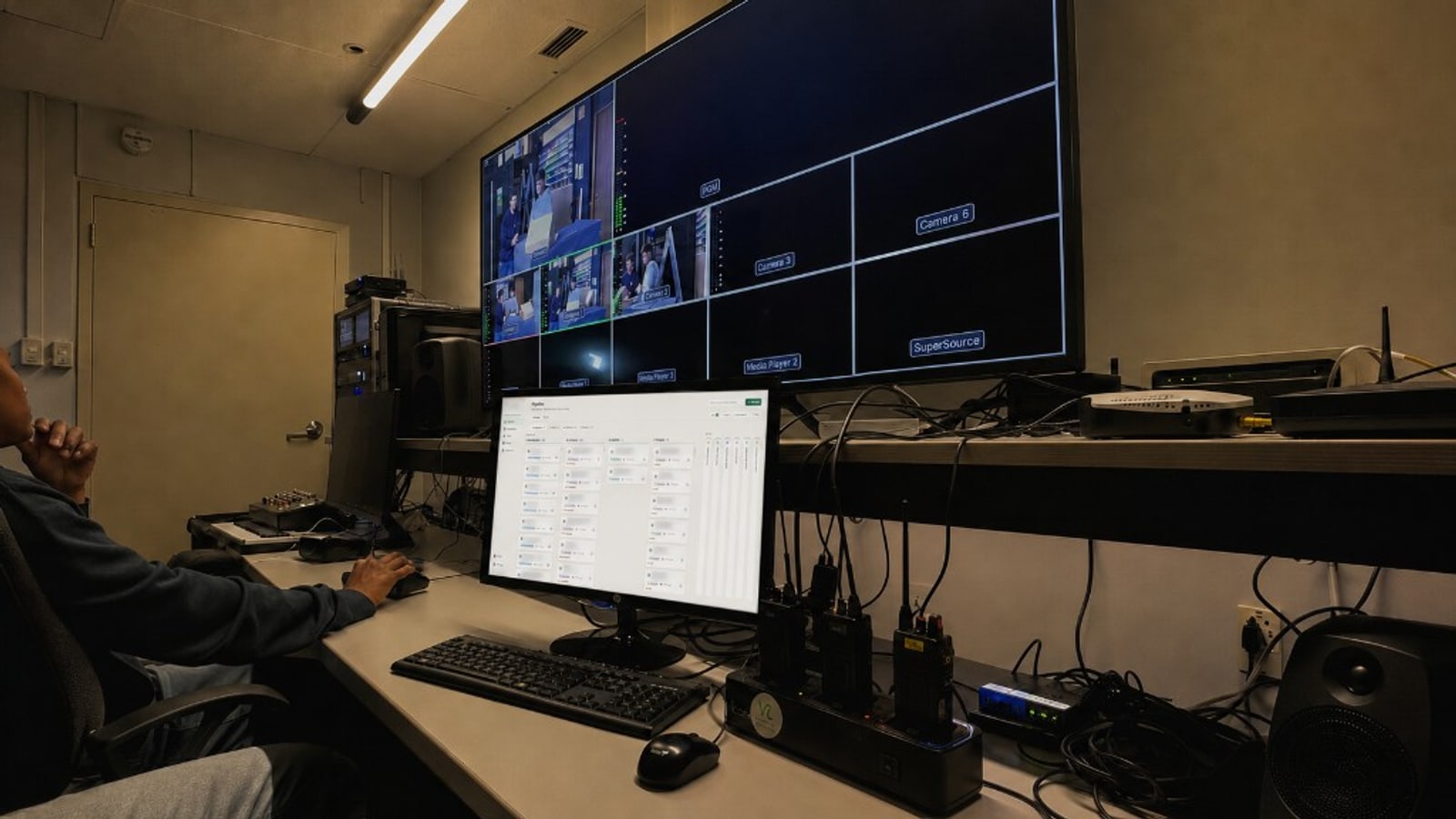
No single view showed every quote, payment, document and project conversation connected to that customer. Replacing one externally dependent setup with another would not resolve the underlying risk. The platform had to be owned and maintainable by the company.
Solution
An owned platform for the full customer lifecycle.
Our objective
Emilda & Co defined an owned platform scoped around the way the business moves a customer from the first enquiry to project handover. The sales-pipeline interface was already in place. The wider system connected what sat around it.
- Lead capture from Meta, Google, LinkedIn, WhatsApp, walk-ins and manual entries — with automatic sales assignment.
- A complete sales pipeline from enquiry to won, with role-based visibility.
- Quotation creation, versioning and sending, with rates editable by role.
- Project tracking across design, production, procurement, installation and handover.
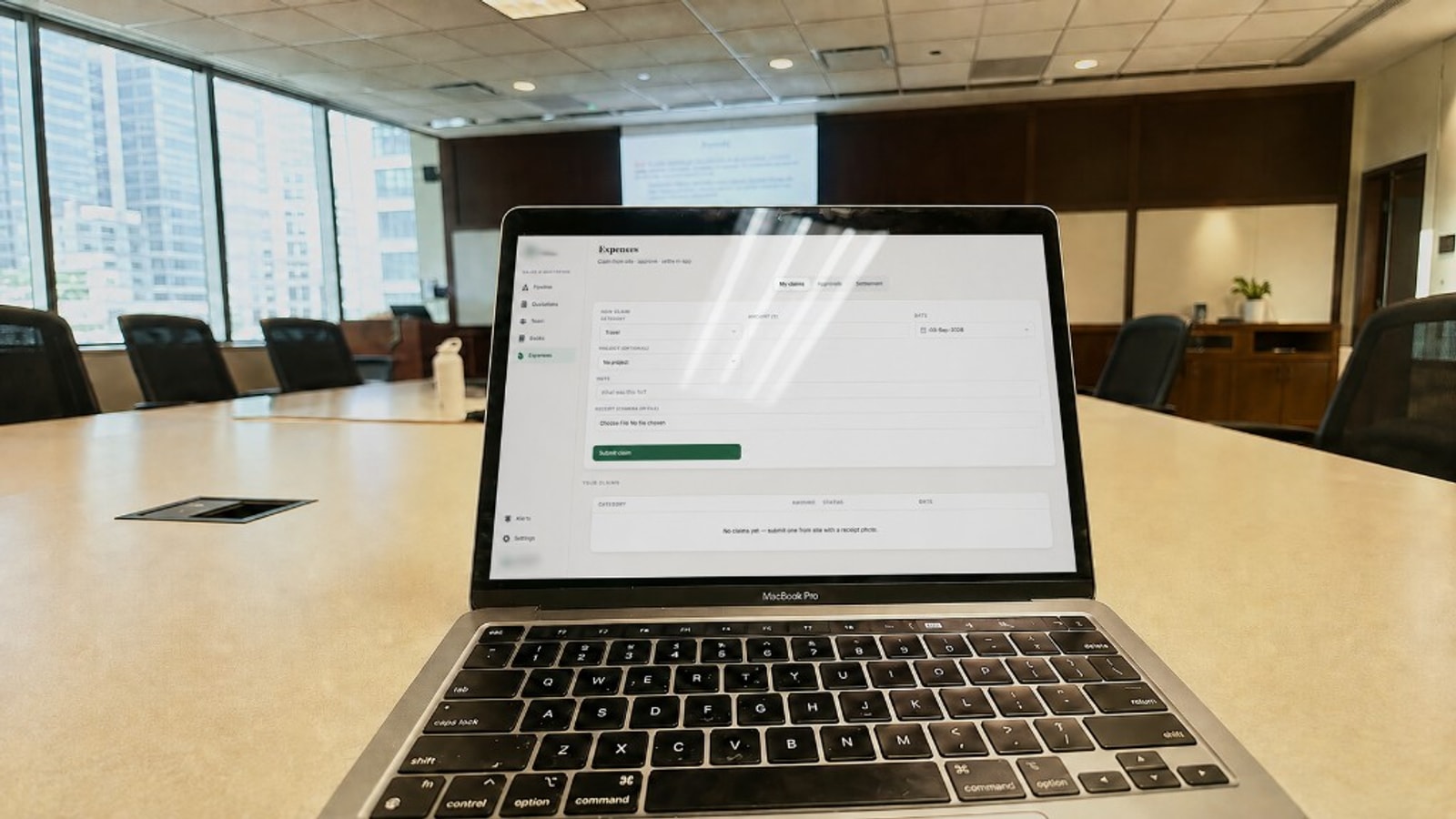
- Staged payment tracking, automated client communication and receipts.
- Follow-up reminders, project-based internal communication and pipeline data export.
- Role-based access for directors, design, sales, accounts and project teams — plus a dedicated, retained project communication space.
- A client interface so customers can chat with the team and see project status without moving every discussion to WhatsApp.
One place to find and act on everything connected to a customer.
Results
From scattered tools to a journey the team can manage and change.
Instead of searching across Zoho Creator, Google Drive and personal inboxes, the team opens a single customer view containing the relevant quotes, documents and payments. Sales follow-ups move from personal spreadsheets into the platform. Quotations are built, revised and sent without the same overnight manual rework.
Once a project begins, delivery stages, staged payments and internal coordination remain connected to the same customer record. Project conversations move from scattered WhatsApp groups into a dedicated, retained project space.
Access is defined by role. The company retains control of the platform — and the ability to change its own pipeline stages, roles and message templates.
Measured outcomes
- Customer context One view for quotes, documents, payments and project conversations
- Sales follow-ups Moved from personal spreadsheets into the platform
- Quotations Built, revised and sent without overnight manual rework
- Project coordination Scattered WhatsApp groups replaced by a retained project space
- System ownership Company can change pipeline stages, roles and templates without an outside integrator
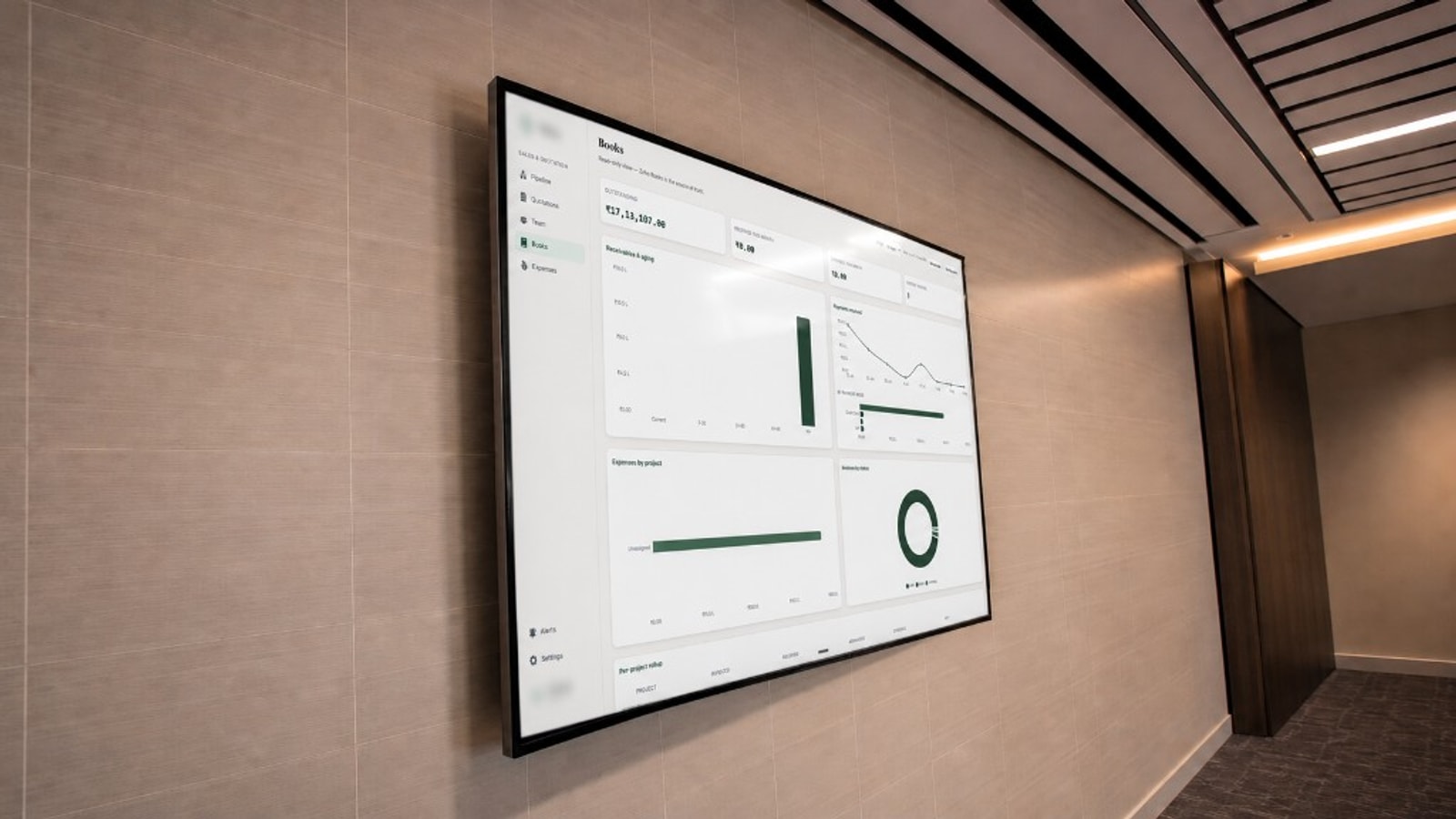
- Accounting Zoho Books kept as the system of record — not replaced
The company's challenge was not limited to creating quotations. It was the absence of one connected and adaptable operating system for the customer lifecycle.
The intended shift is from processes held together across tools to a customer journey the team can manage, trace and change from one platform.
If you have a similar problem to solve, you can reach us at the link below.
Get started