A parcel logistics diagnostic
Move sales forward without routing every step through the owner
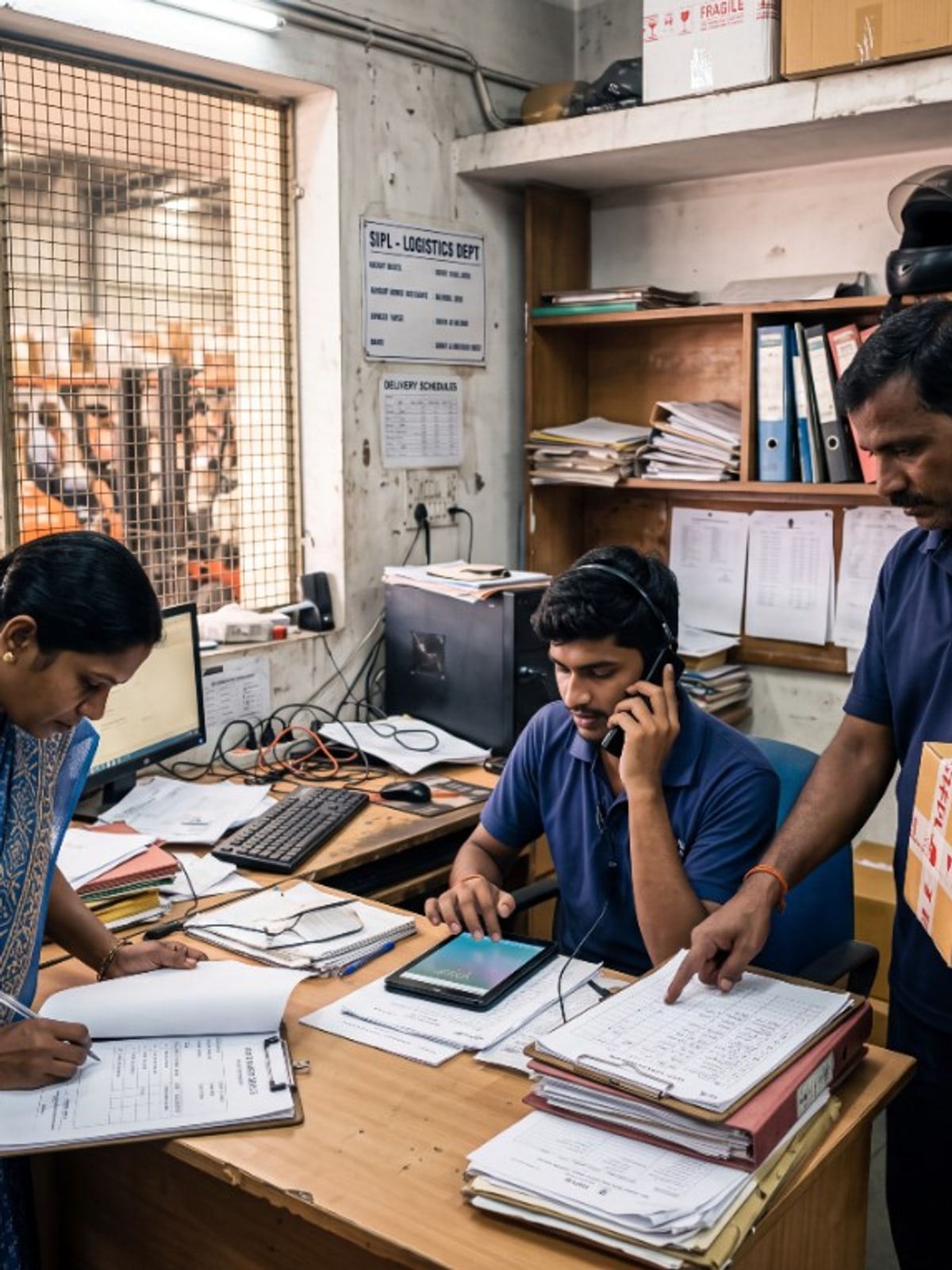
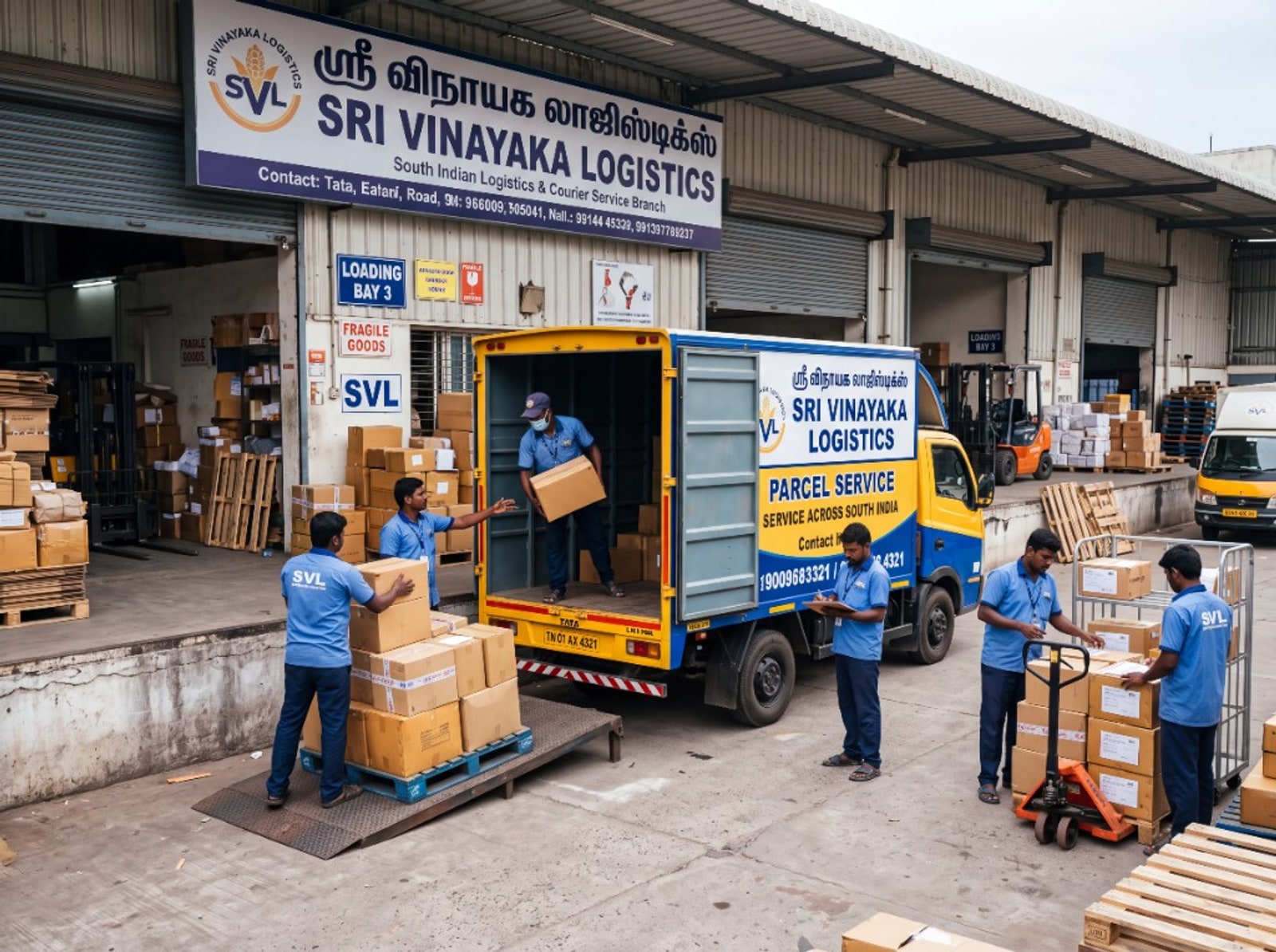
A parcel logistics company with more than 200 branches across Tamil Nadu had formed a new team for its B2B shipping service. Yet the owner was still the point through which sales enquiries, delegation, negotiations and updates had to pass.
Emilda & Co helped the business introduce a shared sales pipeline that gave the team clearer responsibility and kept the owner informed without requiring him to coordinate every step.

200+
Branches across Tamil Nadu
Shared
Pipeline the team can maintain
Clear
Owner oversight without every handoff
Situation
A new sales team - still routed through the same person.
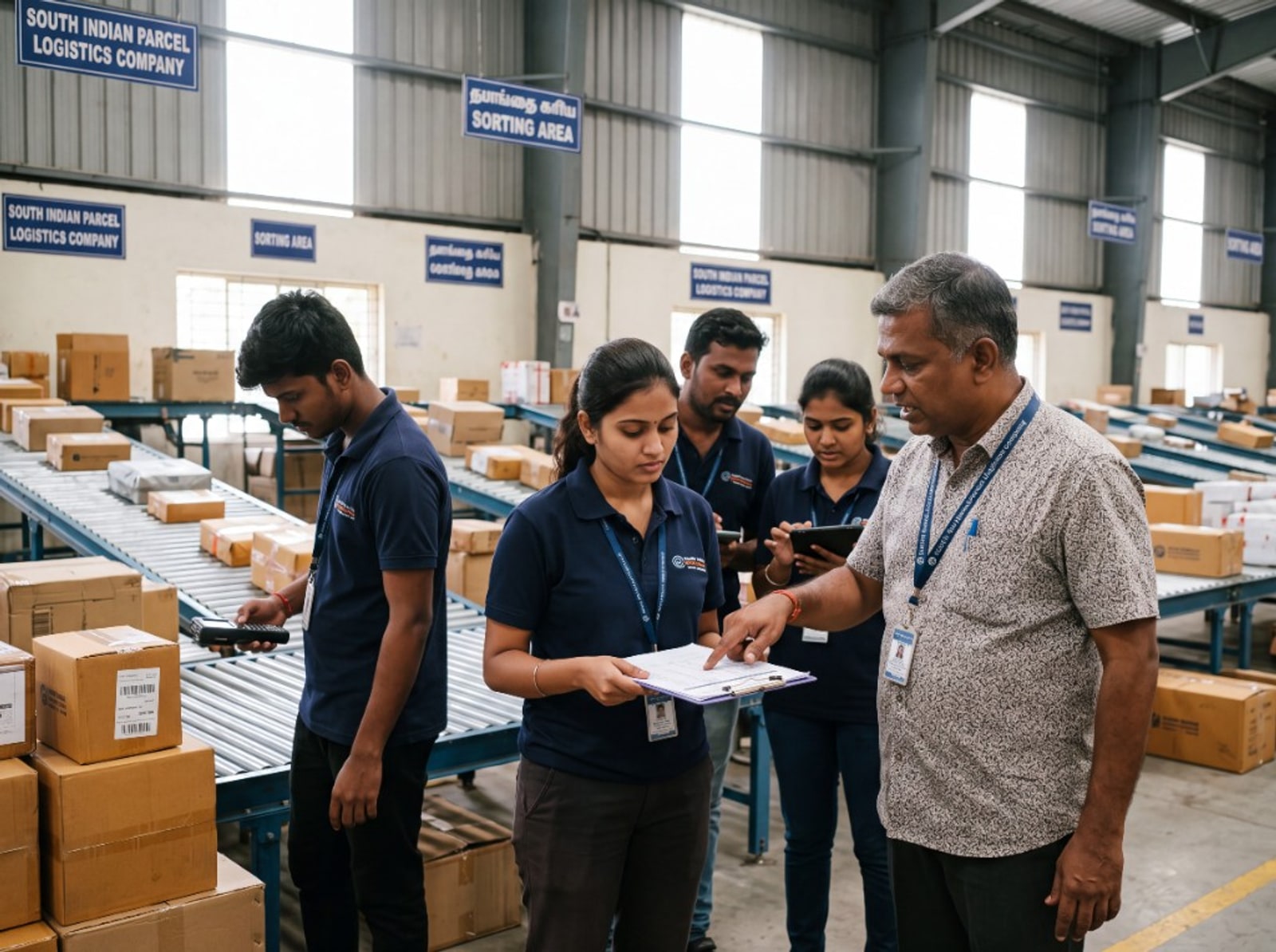
The company had an established parcel logistics network and was developing its B2B shipping service for vehicle manufacturers and other industrial customers. A new team had been brought in to handle customer onboarding and sales.
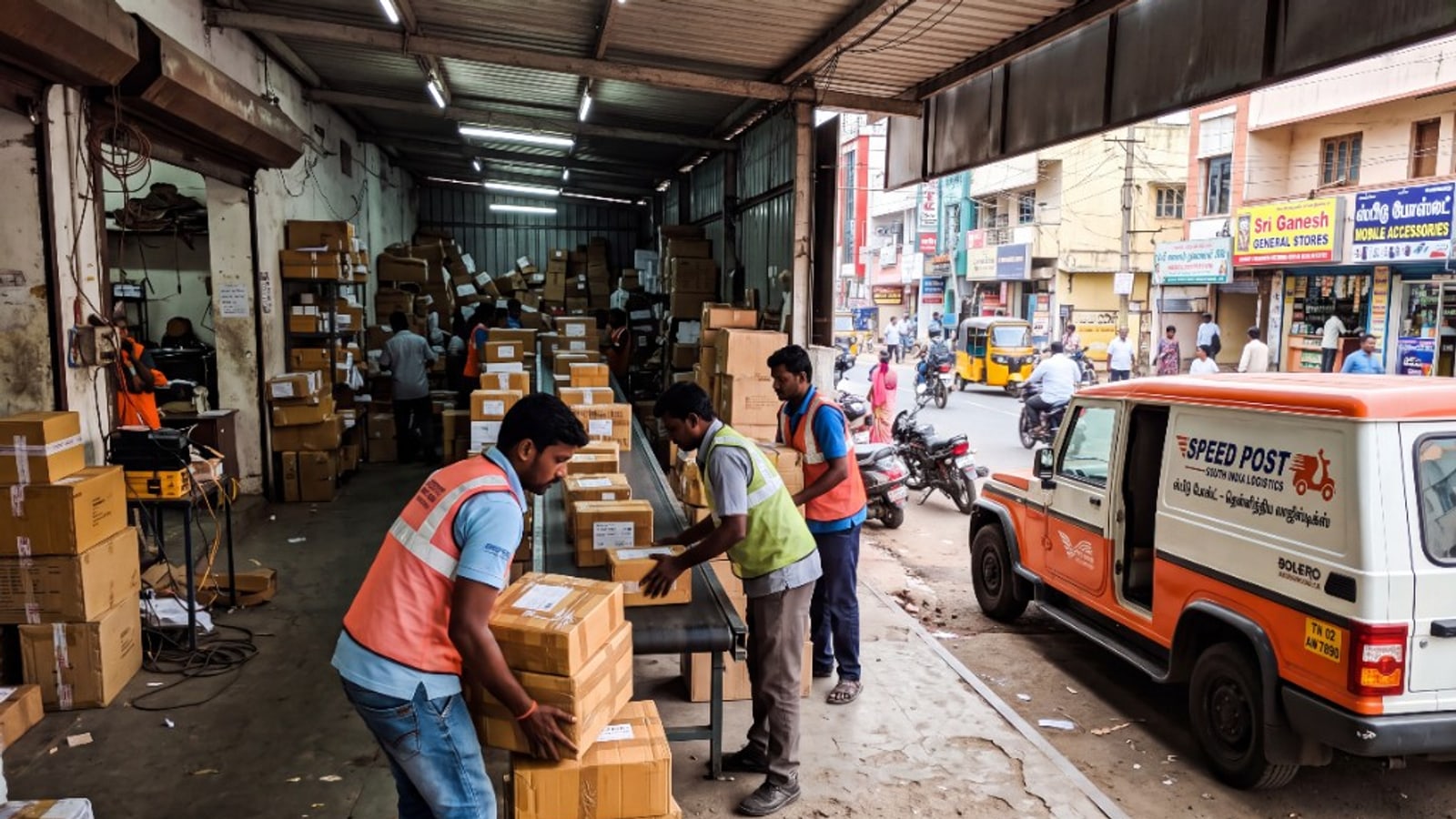
Although the team was in place, much of the sales process still depended on the owner. He attended incoming sales calls, manually recorded enquiry details and passed the information to the relevant salespeople. Meeting planning, negotiations and reporting also required his involvement.
Records existed, but there was no shared, systematic way to track each opportunity, the person responsible for it, or the action needed next. The owner had become the link between the customer, the information and the team expected to act on it.
Why it mattered
This arrangement placed a growing coordination burden on the owner. Alongside making business decisions, he had to capture information, distribute work and keep track of progress.
The team struggled to follow up and move leads towards conversion while relying on manually recorded information and the owner’s involvement. Having more people available to handle sales did not resolve the dependency: work still had to pass through the same person.
Simply handing over more tasks would leave another concern unresolved. The owner still needed to understand what was happening with customers, where negotiations stood and when his input was necessary. The business needed a way for the team to move work forward while keeping that visibility intact.
An owner’s involvement becomes a bottleneck when routine work must wait for their attention before it can move forward.
Solution
A shared pipeline that connects delegation with visibility.
Emilda & Co built a sales pipeline system around customer progress and individual responsibility.
Each customer opportunity could be managed according to its current stage in the sales process. Salespeople could understand their roles, update their goals and tasks, and record progress within the system. This gave the team a shared place to maintain the information that had previously depended on the owner’s manual coordination.
The owner could review these updates without having to participate in every activity. He could see how opportunities were progressing and decide where a change, direction or intervention was needed.
- Stage-based opportunities - each customer managed by where it sits in the sales process.
- Individual responsibility - salespeople update goals, tasks and progress themselves.
- Owner oversight - review progress without collecting and relaying every update.
The team had a clearer way to manage day-to-day sales work, while the owner retained the information needed to oversee it.
Results
A pipeline the team maintains - with owner oversight.
The sales process became more systematic. Customer pipelines, tasks and progress could be maintained by the people handling the work, and negotiations could be managed with a clearer view of the customer’s current position.
For the owner, the change was in how he stayed involved. He could review progress through the system and contribute where his judgment was needed, reducing the need to personally collect and relay every update.
For the sales team, responsibility became clearer. They could keep customer opportunities up to date and manage their assigned work within a shared process.
Measured outcomes
- Sales coordination Moved from owner-centred handoffs to a pipeline the team maintains
- Team responsibility Salespeople update goals, tasks and progress in a shared system
- Owner involvement Reviews progress through the system and contributes where judgment is needed
- Opportunity tracking Each opportunity shows stage, owner and next action
- Negotiations Managed with a clearer view of the customer’s current position
Give the team responsibility for maintaining sales progress and give the owner a reliable way to see it.
If you have a similar problem to solve, you can reach us at the link below.
Get started