A multi-college placement diagnostic
How we built a way to track placements from company call to offer letter - across several colleges
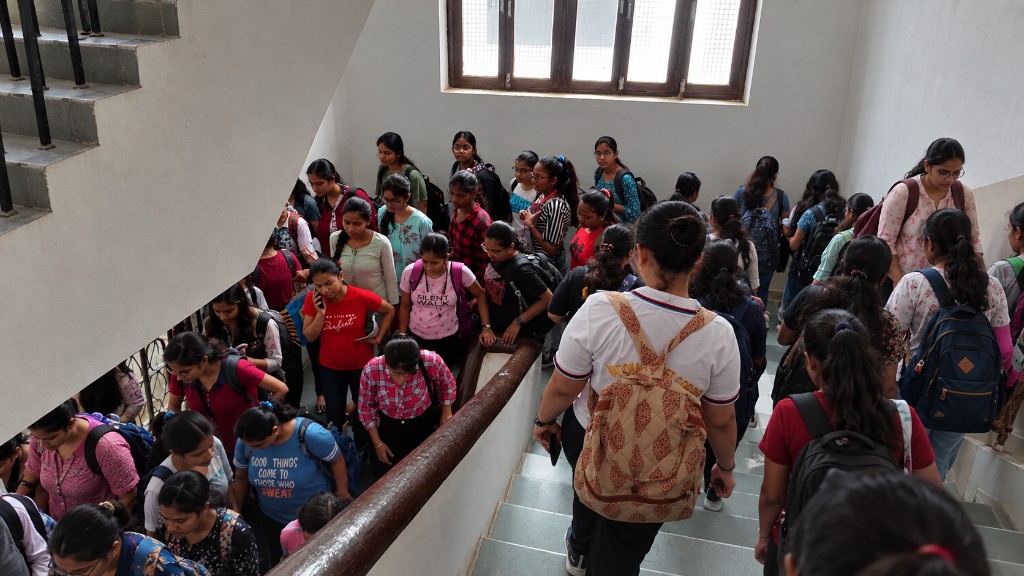
Across several colleges, placement teams were approaching companies, coordinating drives, and handling student participation.
The organisation overseeing these colleges needed to understand how that work was progressing - within each institution and across the organisation.
Several
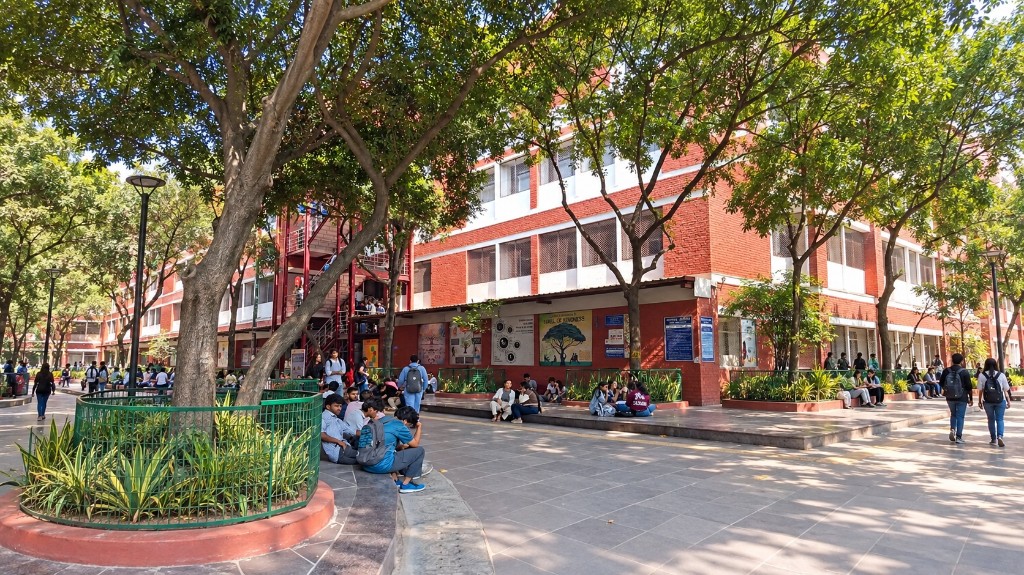
Colleges under one organisation
Connected
Company call through to offer letter
Traceable
Placement journey in one workflow
Situation
Before management could review progress, it had to piece it together.
When management wanted a placement update, the information had to be collected first. Which companies had been contacted? Where had those conversations reached? Which students had participated? Who had received an offer?
The answers were spread across spreadsheets and individual updates. Following an opportunity from the first company conversation to a student's documented outcome meant bringing those details together.
Why it mattered
Placements were an important part of how the organisation presented its colleges to prospective students and parents. Understanding the work behind those placements mattered internally too.
Without connected records, management struggled to distinguish a company conversation in progress, student participation in a drive, and a confirmed offer. Each represented a different stage. Knowing where things stood was necessary to understand what still needed attention.
A placement update is useful only when you can follow it from the first company conversation to a documented outcome.
Solution
One workflow from company lead to student outcome.
Emilda began by examining the steps behind a placement outcome: approaching a company, progressing the conversation, recording student participation, and documenting the outcome.
We then built a workflow connecting those steps. Companies could be recorded as leads, with stages updated as conversations progressed. Student profiles could hold participation details, placement outcomes, and supporting offer letters.
Information could also be reviewed by college, providing a structure for following placement work across institutions. The aim was to make the journey traceable - from an organisation being approached to a student's recorded outcome in one place.
- Company leads - stages that reflect where each conversation stands.
- Student profiles - participation, outcomes, and offer letters on the same record.
- College view - follow placement work within each institution and across the group.
Connecting company follow-up and student placement records gave the work a structure.
Results
A connected structure - with adoption still incomplete.
The workflow was built, bringing company follow-up and student placement records into a connected structure. Management could review placement work with a clearer path from outreach to documented outcomes.
Consistent adoption, however, remained incomplete. The information available for review still depended on teams entering and maintaining their records. Placement activity could be happening across colleges while management still struggled to see its progress if those records were not kept current.
Measured outcomes
- Company pipeline Employers recorded as leads, with stages updated as conversations progressed
- Student records Profiles holding participation details, placement outcomes, and offer letters
- College view Placement work reviewable by institution across the organisation
- Traceability A clearer path from an organisation being approached to a documented student outcome
- Honest scope The workflow was built; everyday usefulness still depends on teams maintaining records
Connecting the records gave placement work a structure. Keeping them updated is what would make it useful in everyday decisions.
If you have a similar problem to solve, you can reach us at the link below.
Get started